


Hey there! As a supplier of Cobalt Removal Reagent, I've been thinking a lot about the environmental impacts of disposing of the used stuff. It's not something that gets talked about enough, but it's super important, especially in today's world where we're all trying to be more eco - friendly.
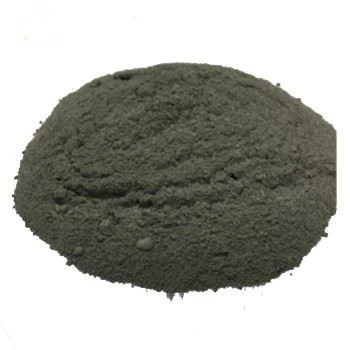

First off, let's understand what cobalt removal reagents are and what they do. These reagents are used to get rid of cobalt from various industrial solutions, like those in the zinc extraction process. Cobalt can be a real nuisance in these operations because it can mess up the quality of the final product. So, we use these reagents to bind with the cobalt and separate it from the solution.
But once we've used these reagents, what happens to them? Well, that's where the environmental concerns come in.
Chemical Pollution
A major issue with disposing of used cobalt removal reagents is chemical pollution. These reagents often contain a variety of chemicals that can be harmful to the environment. For example, some reagents might have heavy metals or strong acids and bases. When these used reagents are dumped into landfills or water bodies, they can leach into the soil and groundwater.
Heavy metals, like the cobalt they were initially used to remove, can accumulate in the environment. They can enter the food chain through plants and animals. For instance, if the contaminated groundwater is used for irrigation, the heavy metals can be absorbed by crops. When we eat these crops, we're essentially ingesting these harmful substances. This can lead to all sorts of health problems for humans, including neurological disorders and kidney damage.
Strong acids and bases can also change the pH of the soil and water. In water bodies, a change in pH can be disastrous for aquatic life. Fish and other aquatic organisms are very sensitive to changes in water chemistry. A sudden increase or decrease in pH can kill off entire populations of fish, disrupt the food web, and lead to a loss of biodiversity.
Greenhouse Gas Emissions
Another environmental impact is related to greenhouse gas emissions. The production and disposal of cobalt removal reagents often involve energy - intensive processes. When we produce these reagents, we use a lot of energy, which usually comes from fossil fuels. Burning fossil fuels releases carbon dioxide and other greenhouse gases into the atmosphere, contributing to global warming.
During the disposal process, especially if the used reagents are incinerated, more greenhouse gases are released. Incineration is sometimes used as a way to get rid of the reagents, but it's not a clean process. It releases not only carbon dioxide but also other pollutants like dioxins and furans, which are extremely toxic.
Impact on Soil Quality
When used cobalt removal reagents are dumped in landfills, they can have a negative impact on soil quality. The chemicals in the reagents can break down the organic matter in the soil, reducing its fertility. This makes it difficult for plants to grow in these areas. The soil structure can also be affected, leading to problems with water infiltration and erosion.
For farmers, this means lower crop yields and more difficulty in maintaining healthy soil. In the long run, it can lead to desertification in some areas, where the land becomes so degraded that it can no longer support plant life.
What Can We Do?
As a supplier, I'm really concerned about these environmental impacts. That's why we're constantly looking for ways to reduce the harm caused by our products. One solution is to develop more environmentally friendly cobalt removal reagents. We're researching and testing new formulations that use less harmful chemicals and are more biodegradable.
Recycling is also an option. Instead of just throwing away the used reagents, we can try to recover and reuse the valuable components. This not only reduces the amount of waste but also saves on the energy and resources needed to produce new reagents.
We're also promoting proper disposal methods. We're working with our customers to ensure that they dispose of the used reagents in a responsible way. This might involve sending the used reagents back to us for proper treatment or using a certified waste management company.
Related Products
If you're in the zinc extraction industry, you might also be interested in our other products. We offer Chlorine Removal Reagent, which is used to remove chlorine from zinc solutions. Chlorine can also cause problems in the zinc extraction process, so this reagent is a great addition to your toolkit.
We also have Fluorine Removal Reagent. Fluorine can be present in the raw materials used in zinc extraction, and it needs to be removed to ensure the quality of the final zinc product.
And for those of you involved in the production of zinc powder, we have the Zinc Powder Distillation Furnace. This furnace is designed to produce high - quality zinc powder efficiently.
Let's Work Together
I believe that by working together, we can minimize the environmental impacts of using and disposing of cobalt removal reagents. If you're interested in our products or have any questions about the environmental aspects of our reagents, I'd love to hear from you. We can have a chat about how we can make the zinc extraction process more sustainable. Whether you're looking to purchase our Cobalt Removal Reagent, Chlorine Removal Reagent, Fluorine Removal Reagent, or are interested in our Zinc Powder Distillation Furnace, don't hesitate to reach out for a purchase negotiation. Let's make a positive change for the environment and our industry!
References
- Environmental Protection Agency. (2023). Guidelines for the disposal of industrial chemical waste.
- Journal of Environmental Science. (2022). Impacts of heavy metal pollution on soil and water quality.
- International Journal of Green Chemistry. (2021). Developing eco - friendly industrial reagents.


