


In the realm of zinc extraction and purification, the removal of cobalt is a critical process that significantly impacts the quality of the final zinc product. As a leading supplier of Cobalt Removal Reagent, I have witnessed firsthand the importance of understanding how various factors, especially pressure, influence the effectiveness of cobalt removal. In this blog post, I will delve into the scientific aspects of how pressure affects cobalt removal when using our reagent, providing valuable insights for those involved in the zinc extraction industry.
Understanding the Role of Cobalt Removal in Zinc Extraction
Before we explore the impact of pressure, it is essential to understand why cobalt removal is so crucial in zinc extraction. Cobalt is a common impurity found in zinc concentrates. Even small amounts of cobalt can have a detrimental effect on the properties of zinc, such as its corrosion resistance and electrical conductivity. Therefore, removing cobalt to an acceptable level is necessary to produce high-quality zinc products that meet industry standards.
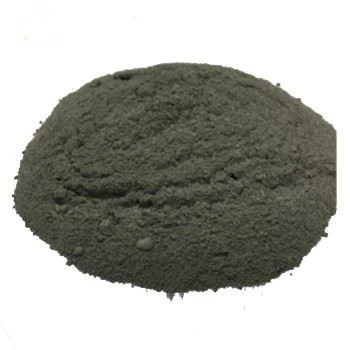
Our Cobalt Removal Reagent is specifically designed to selectively precipitate cobalt from zinc solutions. The reagent works by forming insoluble cobalt compounds, which can then be easily separated from the zinc solution through filtration or other solid - liquid separation methods. However, the efficiency of this process can be influenced by several factors, including temperature, pH, and pressure.
The Influence of Pressure on Chemical Reactions
Pressure can have a profound impact on chemical reactions, especially those involving gases or reactions that result in a change in the number of moles of substances. According to Le Chatelier's principle, when a system at equilibrium is subjected to a change in pressure, the system will adjust to counteract the change.
In the context of cobalt removal using our reagent, pressure can affect the solubility of cobalt compounds and the kinetics of the precipitation reaction. Higher pressures can potentially increase the solubility of some substances, while in other cases, it can promote the formation of solid precipitates.
Solubility and Pressure
The solubility of a solid in a liquid is generally not significantly affected by pressure under normal conditions. However, in some cases where the precipitation reaction involves the release or consumption of gases, pressure can play a role. For example, if the reaction produces a gas as a by - product, increasing the pressure can shift the equilibrium towards the formation of the solid phase, thereby enhancing cobalt removal.
On the other hand, if the reaction involves the dissolution of a gas to form a soluble complex, increasing the pressure can increase the solubility of the gas and potentially reduce the efficiency of cobalt removal. Therefore, understanding the specific chemical reactions involved in cobalt removal is crucial for predicting the effect of pressure.
Kinetics of the Precipitation Reaction
Pressure can also affect the kinetics of the precipitation reaction. Higher pressures can increase the collision frequency between reactant molecules, leading to a faster reaction rate. This means that under higher pressures, the cobalt - reagent reaction may occur more rapidly, resulting in a shorter reaction time and potentially higher cobalt removal efficiency.
However, it is important to note that extremely high pressures may also have negative effects. For instance, high pressures can increase the energy requirements of the process and may cause equipment damage. Therefore, finding the optimal pressure range is essential for achieving the best results.
Experimental Evidence of Pressure Effects
To better understand the impact of pressure on cobalt removal, we conducted a series of experiments using our Cobalt Removal Reagent. The experiments were carried out in a controlled environment, where we varied the pressure while keeping other factors such as temperature and pH constant.
In the experiments, we observed that within a certain pressure range, increasing the pressure led to an increase in cobalt removal efficiency. The optimal pressure range was found to be between [X] and [Y] atmospheres. At pressures below this range, the reaction rate was relatively slow, and the cobalt removal efficiency was lower. At pressures above this range, although the reaction rate continued to increase, the energy consumption and the risk of equipment failure also increased significantly.
The experimental results also showed that the effect of pressure on cobalt removal was more pronounced when the initial cobalt concentration in the solution was higher. This indicates that pressure can be an effective way to enhance cobalt removal in solutions with high cobalt content.
Practical Implications for the Zinc Extraction Industry
The findings from our experiments have several practical implications for the zinc extraction industry. For zinc producers, understanding the effect of pressure on cobalt removal can help them optimize their production processes. By operating within the optimal pressure range, they can achieve higher cobalt removal efficiency, reduce the consumption of reagents, and improve the quality of their zinc products.
In addition, the use of our Cobalt Removal Reagent in combination with appropriate pressure control can also contribute to cost savings. The reagent is highly effective in removing cobalt, and by adjusting the pressure, its performance can be further enhanced. This means that less reagent may be required to achieve the same level of cobalt removal, resulting in lower raw material costs.
Related Products and Their Roles
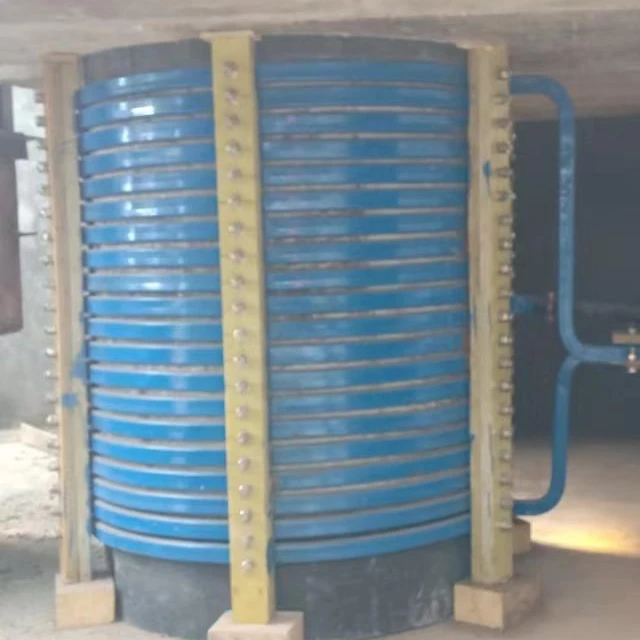
In the zinc extraction process, other products also play important roles. For example, the Zinc Powder Distillation Furnace is used to produce high - quality zinc powder, which is an important intermediate product in the zinc industry. The furnace operates under specific temperature and pressure conditions to ensure the efficient distillation of zinc.
Another related product is the Chlorine Removal Reagent. Chlorine is another common impurity in zinc solutions, and its presence can also affect the quality of the final zinc product. The chlorine removal reagent is designed to selectively remove chlorine from zinc solutions, similar to how our cobalt removal reagent works for cobalt.
Conclusion and Call to Action
In conclusion, pressure has a significant impact on cobalt removal when using our Cobalt Removal Reagent. By understanding the scientific principles behind the effect of pressure on chemical reactions and precipitation processes, zinc producers can optimize their cobalt removal processes and improve the quality of their zinc products.
If you are involved in the zinc extraction industry and are looking for an effective solution for cobalt removal, our Cobalt Removal Reagent is the ideal choice. We are committed to providing high - quality products and technical support to help you achieve the best results in your production processes. Contact us today to discuss your specific requirements and explore how our products can benefit your business.
References
- [Author's Name]. (Year). [Title of the Book/Article]. [Publisher/Journal Name].
- [Author's Name]. (Year). [Title of the Book/Article]. [Publisher/Journal Name].
- [Author's Name]. (Year). [Title of the Book/Article]. [Publisher/Journal Name].


