


Hey there! I'm a supplier of Fluorine Removal Reagents, and today I want to have a chat about whether these reagents can be used in drinking water treatment. It's a hot topic, and there's a lot to unpack here.
First off, let's talk about why fluorine in drinking water can be a concern. Fluorine is a naturally occurring element that can find its way into our water sources. In small amounts, it's actually beneficial for dental health. It helps prevent tooth decay and keeps our pearly whites strong. But when the concentration of fluorine in drinking water gets too high, it can lead to some serious health issues.
Excessive fluoride intake can cause dental fluorosis, which is a condition that affects the appearance of teeth, causing white spots or streaks. In more severe cases, it can lead to skeletal fluorosis, a painful and debilitating condition that affects the bones and joints. So, it's clear that keeping fluoride levels in check in our drinking water is crucial.
Now, that's where Fluorine Removal Reagents come in. These reagents are designed to reduce the fluoride content in water by chemically reacting with it and precipitating it out. But can they be safely used in drinking water treatment? The short answer is yes, but there are some important things to consider.
One of the key factors is the safety of the reagent itself. When it comes to treating drinking water, we're talking about something that people are going to consume, so safety is non - negotiable. Reputable Fluorine Removal Reagents are formulated to be non - toxic and comply with strict safety standards. They're made from materials that won't introduce harmful substances into the water. For example, some of the common ingredients in these reagents are compounds that are already used in other food and water - related applications, so they're generally recognized as safe.
Another important consideration is the effectiveness of the reagent. A good Fluorine Removal Reagent should be able to reduce the fluoride concentration in water to within the acceptable limits set by health authorities. Different reagents have different levels of effectiveness, and it depends on a few factors such as the initial fluoride concentration in the water, the pH level of the water, and the contact time between the reagent and the water.
Let's take a look at how these reagents work in a bit more detail. Most Fluorine Removal Reagents work through a process called precipitation. They contain chemicals that react with fluoride ions in the water to form insoluble compounds. These compounds then settle to the bottom of the water tank or are filtered out, effectively removing fluoride from the water.
For example, some reagents use calcium - based compounds. Calcium ions react with fluoride ions to form calcium fluoride, which is insoluble in water. Once the calcium fluoride is formed, it can be easily separated from the water through sedimentation or filtration.

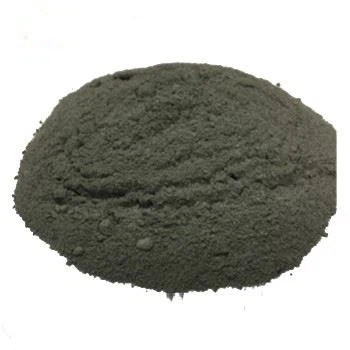
But it's not just about getting rid of fluoride. We also need to make sure that the treatment process doesn't have any negative impacts on other aspects of water quality. For instance, it shouldn't change the pH of the water too much, as an extreme pH can affect the taste of the water and also cause corrosion in pipes. A good Fluorine Removal Reagent will be formulated in such a way that it maintains the overall water quality while removing fluoride.
Now, I know what you might be thinking. Are there any alternatives to using Fluorine Removal Reagents? Well, there are other methods for removing fluoride from water, such as reverse osmosis and ion exchange. Reverse osmosis works by forcing water through a semi - permeable membrane that traps fluoride ions. Ion exchange, on the other hand, uses resin beads to exchange fluoride ions for other ions.
However, these methods can be more expensive and complex to set up and maintain compared to using Fluorine Removal Reagents. Reverse osmosis systems require a lot of energy to operate, and ion exchange systems need to have their resin beads replaced periodically. Fluorine Removal Reagents, on the other hand, are usually more cost - effective and easier to use. They can be added directly to the water, and the treatment process doesn't require a lot of specialized equipment.
If you're in the market for a Fluorine Removal Reagent, you might also be interested in our other products. We also offer Chlorine Removal Reagent and Cobalt Removal Reagent. Chlorine is often added to drinking water as a disinfectant, but in some cases, it can leave an unpleasant taste and odor. Our Chlorine Removal Reagent can effectively remove excess chlorine from the water. And our Cobalt Removal Reagent is useful for treating water sources that are contaminated with cobalt, which can be harmful to human health.
So, if you're involved in a drinking water treatment project and need to remove fluoride, or if you're just interested in learning more about our Fluorine Removal Reagent, don't hesitate to reach out. We're here to help you find the best solution for your water treatment needs. Whether it's for a small - scale household system or a large - scale municipal water treatment plant, we've got the knowledge and the products to support you.
In conclusion, Fluorine Removal Reagents can definitely be used in drinking water treatment. They're a safe, effective, and cost - efficient way to reduce fluoride levels in water and ensure that our drinking water is healthy and clean. If you're facing fluoride - related water treatment challenges, give our Fluorine Removal Reagent a try.
References
- World Health Organization. Guidelines for Drinking - Water Quality.
- Environmental Protection Agency. (EPA). Drinking Water Standards and Health Advisories.


